Health Tips
Maintaining a happy rabbit is important; but maintaining a healthy rabbit is more. On this page there are some easy tips and procedures that can be helpful and useful for your rabbit.
There are some things that starting out, you might not know about your rabbit.There are many things that could be wrong with your rabbit, and their are many things to do about it too.
The most common areas are ears, eyes, nose, teeth, and hocks.
There are some things that starting out, you might not know about your rabbit.There are many things that could be wrong with your rabbit, and their are many things to do about it too.
The most common areas are ears, eyes, nose, teeth, and hocks.
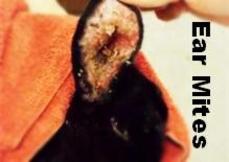
In the ears, there can be multiple things wrong with it. There can be an ear canker, ear mites, and a torn or missing part of the ear. The most commonly found on a rabbit is ear mites. The best way to treat ear mites is a drop or two in each ear of baby oil commonly found in stores. You should treat it once a day until the ear mites are completely gone. DO NOT pull the ear mites from the ear - it can damage the skin in the ear and cause bleeding; not to mention the pain you're causing for the rabbit. Also, when the rabbits have the baby oil in their ear, they like to dig in their ear and (not on purpose) fling the ear mites. Try to isolate the rabbit if at possible.
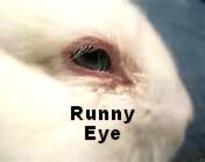
The eyes are very sensitive, so take precaution while trying to treat. Wall eye (white cornea), spots on the eyes, mismatched eye color, and runny or weeping eyes are common problems in the eye area. There isn't one thing in the eye area that's the most common, but the easiest to treat is runny or weeping eyes. First, consult a professional and/or a veterinarian and try to get an antibiotic. Until you consult one, or if this technique works for you, you can get a wet paper towel and soak it in salted boiled water. After the water cools down, stick it on the affected area on the fur so the fur won't get matted and stuck together. Then, after each wipe, use a cotton ball to dry the area. To stop the skin underneath the eye from becoming sore, you can use a dab of Vaseline.
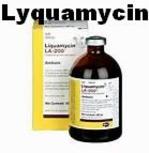
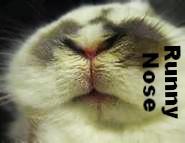
With the nose there's only one main problem, colds (white nasal discharge). A number of things can cause this; from the food they eat to the bedding they sleep on. A sign that they have it is if their forelegs are wet and if they keep sneezing. To treat; try ,if at possible, to isolate the rabbit while it is ill. There is usually an antibiotic that Rural King carries for this type of thing - it's called Liquamycin; read as directed on the medicine. It is used for many other livestock animals that have a wide range of problems.
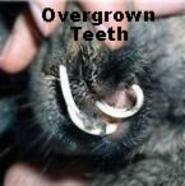
The most common problem with the teeth is if they're too long or if they under lap. The best thing to do if they're to long and/or if they under lap is to clip them. You can use a sander or side cuts. Repeat this process once every two weeks until they are short enough and begin to overlap. After that, to keep them short, put in their cage a block of wood and/or a salt block.
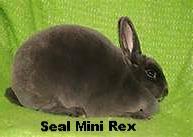
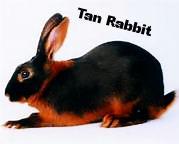
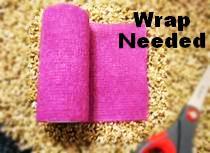
Sore hocks are the most common problem on rabbits in general. They are easy to get rid of, it just takes about a half a year to heal after you begin to treat it. One thing you can do (and there are many other ways as well) is put Vaseline on once a day. Along with doing that, if you don't already, you can put a piece of carpet (which may absorb urine) or a ceramic tile (easier to clean than carpet) in their cage so they can rest on it. In the Mini Rex and Tan breeds, it is common because of how quick the toenails grow, and it affects the way they sit on their hocks which will cause them to turn raw. If the hocks are in critical condition, see a vet and/or take some wrap that you can easily find at Wal-Mart. Wrap it around the hock and around the "ankle" too. Leave a space between the hock and "ankle" wrap.
Last Updated March 1, 2014
Copyrite from Webstarts @ 2014 and Bing images
Copyrite from Webstarts @ 2014 and Bing images


*The information below ISN'T personal opinion; it was researched and documented accordingly. The tips aren't for extreme cases; they are only expressed to help you save money and benefit your pocket and of course your rabbit's health. Rabbits are considered an exotic animal and are expensive to take to a veterinarian. Please consider these tips in helping you save money, and in most cases, helping the rabbit get back to a healthy life.*